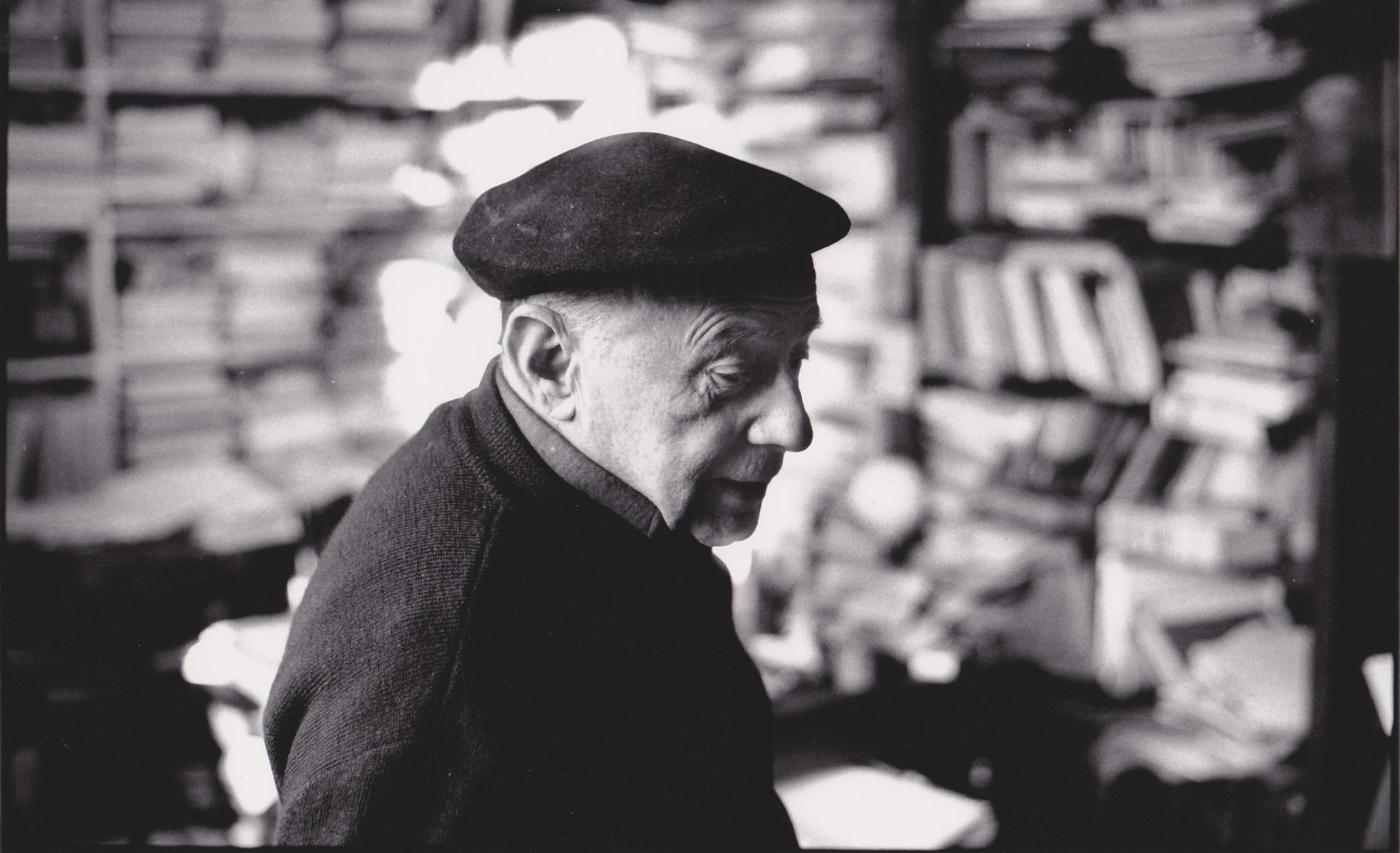
Technique worships nothing, respects nothing. It has a single role: to strip off externals, to bring everything to light and by rational use to transform everything into means.[4] Ultimately, it can be described as a kind of secular idolatry: … man cannot live without the sacred. He therefore transfers his sense of the sacred to the very thing which has destroyed its former object: the technique itself.[5]
Recording as a means of understandingHis critical and pessimistic analysis of the rise and triumph of technique is a reminder, not just of the all-consuming nature of digital technology, but also of how it fosters a pragmatic, ends-justified-the-means, this-worldly mindset.
But technique is craft is it not? Or does craft point to the boundaries of our meaningful existenceBut we must be very wary of how the technologies we use and the larger pragmatic mindset can subtly distort our personal values; our relationships—whether in church, hospital or parliament house.
Ellul will also warn us off having overly ambitious and idealistic aims for human society in this age. We should look beyond this world for our hope for humanity. We can’t make this world a paradise; our goals should be more humble: [W]hen we shake the edifice, we produce a crack, a gap in the structure, in which a human being can briefly find his freedom, which is always threatened … through our refusal, we keep the trap from closing all the way, for today. We can still breathe out in the open.
Christians should therefore disassociate from militant and revolutionary movements, whether on the left or the right. And we should also be cautious about conservative and progressive approaches which focus and rely too much on the machinery of state power.