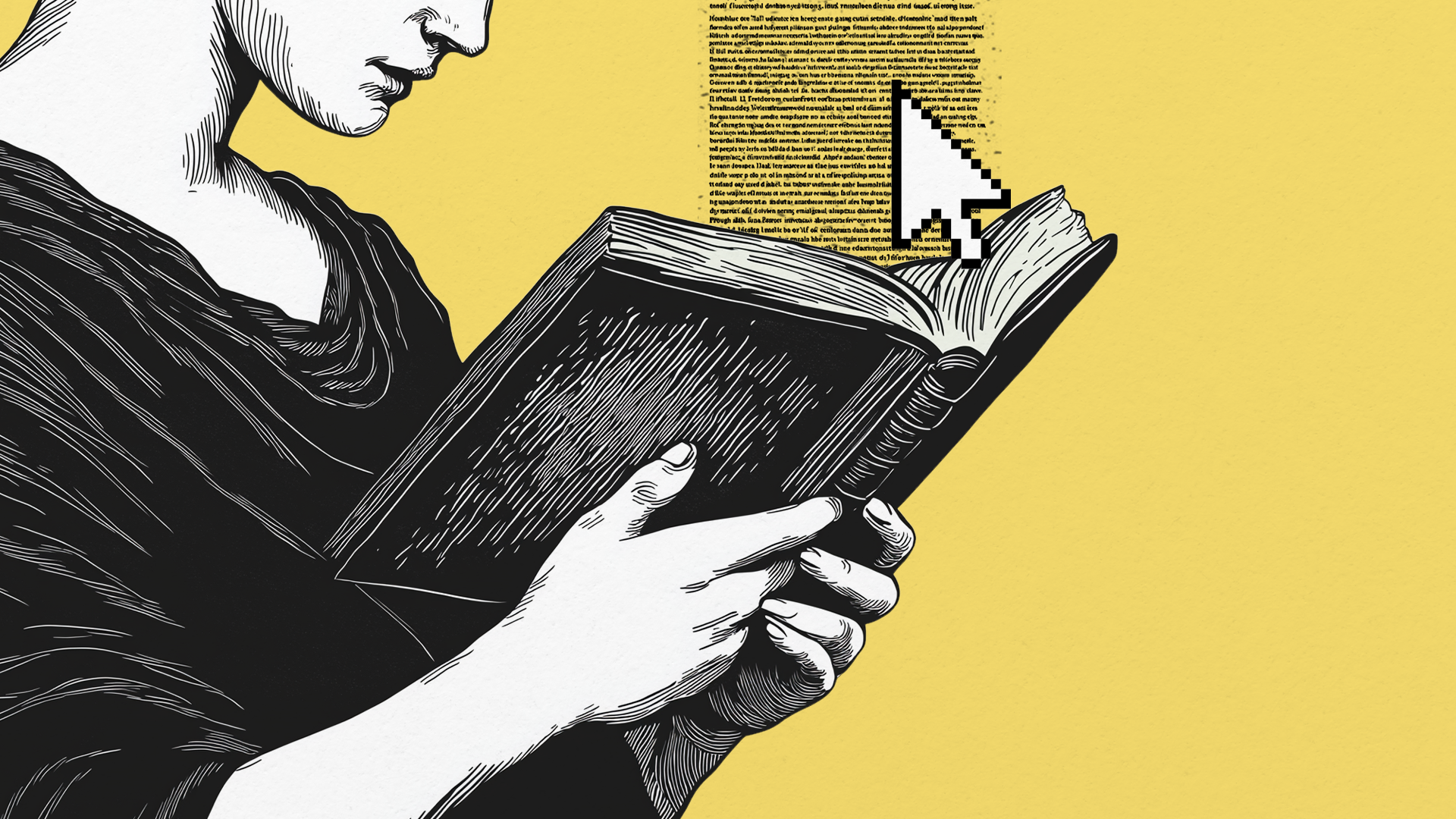
AI changes this equation. Instead of just absorbing text, you can probe it. When you encounter a difficult passage, you can ask for clarification. When an idea reminds you of something else you’ve read, you can explore the connection. The text becomes a starting point for investigation rather than just information to absorb.
Reading hasn’t fundamentally changed because ideas need time to develop — capture and connection-drawing may need to be separate processes. Probing a text with AI in real time risks collapsing the incubation period that makes reading generative.I discovered how having a catch-up feature could instantly refresh my memory of previous chapters. This proved invaluable for maintaining continuity and context—much like having a friend quickly recap what you missed in a TV series before watching the next episode.
AI-assisted reading risks making solitude self-conscious — creating pressure to engage with the tool in an optimal way rather than letting thoughts develop organically. Separation between reading and capture may be a feature, not a bug: the gap protects the unstructured thinking that produces genuine insight.Analytical reading is about asking questions—breaking down an author’s argument, identifying assumptions, and engaging critically with the material. Adler sees this as the level where readers stop being passive consumers and start actively interrogating ideas.
The AI helped me extract practical lessons from Nvidia’s experience, pushing me to think beyond the narrative to understand broader principles of innovation and corporate adaptation. This approach fundamentally changed my reading habits. Instead of passively consuming information, I found myself regularly engaging in meaningful dialogue about the text. The AI doesn’t just ask questions—it helps readers develop the habit of questioning, encouraging the kind of critical thinking that Adler saw as essential to true analytical reading.
For instance, when the authors assert that “sometimes the best way to achieve something great is to stop trying to achieve a particular great thing,” I asked Kairos to explore similar ideas in Hindu texts. The AI immediately drew a compelling connection to the Bhagavad Gita’s famous teaching: “You have a right to perform your prescribed duties, but you are not entitled to the fruits of your action.” This parallel wasn’t just interesting—it helped me internalize the book’s message by showing how this wisdom has resonated across cultures and millennia. What made this particularly valuable was how it transformed a contemporary argument into part of a much longer conversation about human achievement and purpose. AI didn’t just find surface-level similarities; it helped illuminate how different traditions and thinkers have wrestled with similar ideas through different frameworks. Traditional reading often means relying on memory or manual research to make such connections, but AI removes that friction.
The real challenge in the age of AI, then, isn’t figuring out how to prevent people from using it so that some sort of pure, idealized reading experience is preserved. It’s building tools that support this new paradigm effectively. Current e-readers are designed around the old model of solitary consumption. We need reading platforms that embrace the conversational nature of AI-assisted reading while respecting things like copyright and privacy.
Centuries ago, the printing press democratized access to books. Digital technology has democratized distribution. AI might finally democratize the kind of deep engagement with texts that scholars and philosophers have practiced for centuries. That seems like progress worth pursuing.